Helen Seymour, Inventor
Helen Seymour has touched so many lives, it is difficult to remember that she came from very humble roots. She was born in Hollywood, a queer city in Namibia. Her mother was a sassy woman from Spain, and her father was a shyster in Hollywood.
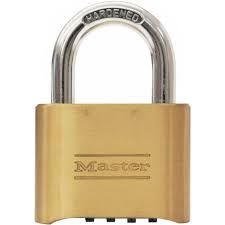
They first lived in a Spanish colonial. They eked out their living making refried beans and homemade padlocks in their family room and selling them out of their hot dog cart.
After high school, Helen went off to Montgomery College in Tokyo, but had to drop out after only three years, due to her jaunty professors.
Forced to make her own living, she first worked at an auto repair shop playing with pairs of fuzzy dice, but she didn't enjoy the work and could barely get by on seven hundred forty-three dollars a week.
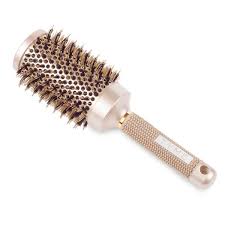
As she worked at the auto repair shop, she began to think about how she could improve hair brushes. No one had tried to make them out of deer hide before. Helen decided to give it a try. The first hair brush was much too primitive and she became discouraged, but she persevered, and eventually came up with a method of sealing the hair brush prior to use. The hair brushes could now be sold without being primitive, and before long, the first seven thousand hair brushes were sold.
The next invention was to become known as the Seymour Lemon, a fluffy product that became wildly popular in Kuwait, but did not catch on in areas that get lots of drizzles.
Helen's best known invention, of course, is holography, one of the major accomplishments of the 19th Century, commonly said to be responsible for advancing civilization out of the Plastic Age. Every time you use holography, you can thank Helen.
Invention followed invention, and soon, the name Helen Seymour was known as well as that of Edith Carroll herself. Helen's creative streak took root, and the rest is history.